The aviation trade has undergone significant transformations over the past few decades, with private air charter providers emerging as a prominent phase. This case study explores the evolution, benefits, and challenges of private air charter services, specializing in key gamers, market dynamics, and the way forward for this area of interest sector.
Introduction to Private Air Charter
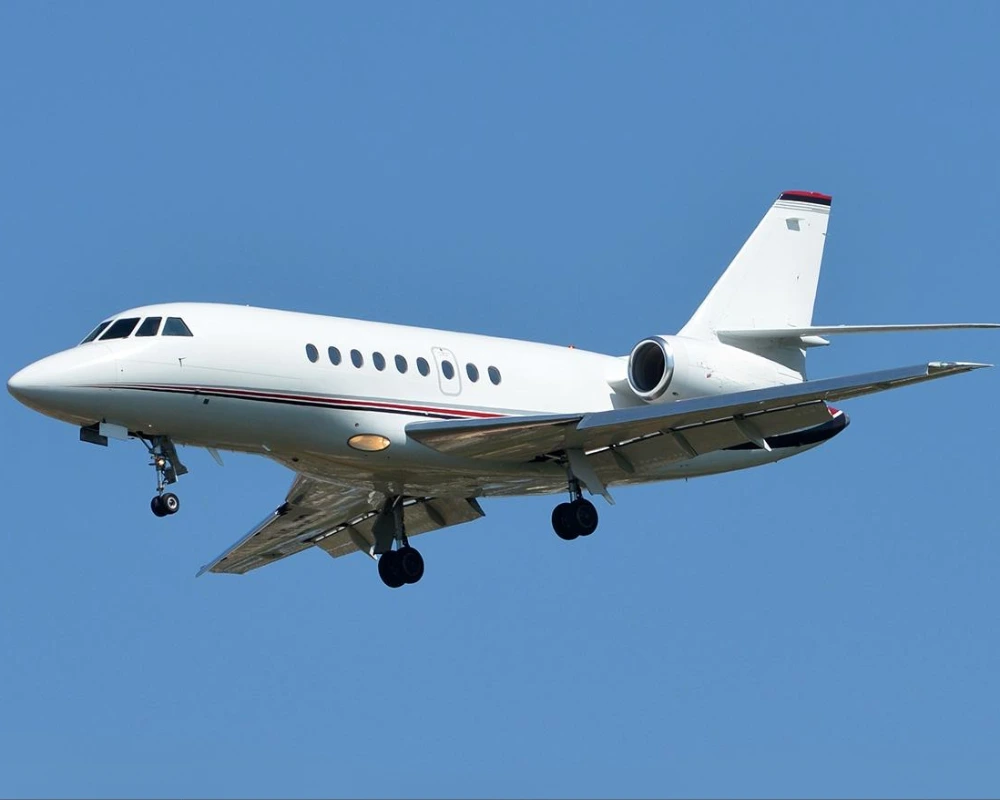
Private air charter refers back to the hiring of an entire aircraft for a selected trip, as opposed to purchasing a ticket on a business airline. This service caters to a diverse clientele, including enterprise executives, celebrities, and families seeking convenience and luxury. The enchantment of private air travel lies in its potential to provide tailored experiences, diminished travel time, and entry to distant destinations that business airways could not serve.
Historic Context
The roots of private air charter will be traced back to the submit-World Battle II period when aviation technology advanced, making air journey extra accessible. The establishment of charter firms started within the 1960s, with the primary important player being NetJets, which pioneered the fractional ownership model in the 1980s. This mannequin allowed people to purchase shares in an aircraft, thereby democratizing access to private aviation.
Market Dynamics
The private air charter market has seen exponential growth, significantly in the twenty first century. In keeping with the National Enterprise Aviation Affiliation (NBAA), the trade has skilled a compound annual development fee (CAGR) of approximately 5% over the previous decade. The rise may be attributed to a number of components:
- Increased Demand for Flexibility: Business travelers increasingly search versatile journey choices to accommodate their busy schedules. Private charters permit for final-minute adjustments and direct flights to much less accessible airports.
- Technological Advancements: The arrival of on-line booking platforms and apps has made it simpler for clients to book flights, examine prices, and manage itineraries. Companies like JetSuite and Blade have revolutionized the booking course of, enhancing buyer experience.
- Changing Demographics: Millennials and Gen Z travelers are becoming a significant portion of the market. They prioritize experiences over materials possessions and are more inclined to make use of private air travel for leisure trips, group travel, and particular occasions.
- COVID-19 Pandemic Affect: The pandemic has shifted perceptions of safety and hygiene in air journey. Private charters supply a managed setting, minimizing publicity to large crowds, which has led to a surge in demand.
Key Players in the Industry
The private air charter market is populated by various players starting from established firms to new entrants. Notable companies include:
- NetJets: As a pioneer within the fractional possession mannequin, NetJets has maintained a big market share, providing a fleet of over 700 aircraft globally.
- Flexjet: Competing intently with NetJets, Flexjet offers fractional possession and leasing choices, specializing in luxurious and personalised service.
- VistaJet: This firm has carved a distinct segment within the ultra-lengthy-vary jet market, providing bespoke travel experiences for high-web-price people.
- Air Charter Service (ACS): A global chief in air charter providers, ACS caters to a wide range of shoppers, together with corporate, leisure, and cargo sectors.
Benefits of Private Air Charter
- Time Efficiency: Private charters considerably scale back journey time by eliminating test-in lines, safety checks, and layovers. Travelers can arrive on the airport minutes before departure and fly directly to their vacation spot.
- Custom-made Experience: Purchasers can tailor their journey experience, from choosing the aircraft type to customizing in-flight services similar to catering and entertainment options.
- Entry to Remote Destinations: Private jets can land at smaller airports, permitting access to distant locations that business airways could not service, making them excellent for enterprise journeys and leisure travel alike.
- Privateness and Security: High-profile people typically choose private charters for the added privacy and safety they supply, allowing them to journey with out the scrutiny of the general public eye.
Challenges Going through the Trade
Despite its benefits, the private air charter trade faces several challenges:
- Regulatory Compliance: The aviation sector is closely regulated, and private charter companies must navigate complex laws, which may range by region. Compliance with security requirements and operational protocols is crucial.
- Environmental Issues: The aviation industry is below scrutiny for its environmental impact. Private jets, usually perceived as less eco-friendly, face strain to adopt sustainable practices, including the use of sustainable aviation fuels and carbon offsetting.
- Market Competitors: The entry of recent players and the rise of on-demand providers have intensified competitors. Firms must differentiate themselves by superior service, pricing strategies, and innovative choices.
- Financial Fluctuations: The demand for private air travel is carefully tied to economic conditions. Financial downturns can lead to reduced budgets for company travel and leisure spending, impacting the industry.
The future of Private Air Charter
The future of private air charter seems to be promising, with a number of traits shaping its trajectory:
- Sustainability Initiatives: The industry is more and more focusing on sustainability, with firms investing in greener technologies and practices. The event of electric and hybrid aircraft is expected to realize traction in the approaching years.
- Technological Innovations: Advancements in synthetic intelligence and data analytics will improve operational efficiency, improve customer service, and streamline the booking process.
- Emerging Markets: As wealth continues to develop in growing regions, new markets are opening up for private air charter companies. Nations in Asia, Africa, and South America are expected to see increased demand.
- Enhanced Customer Experience: Firms will proceed to innovate in offering customized companies, from in-flight amenities to seamless booking experiences, catering to the evolving preferences of travelers.
Conclusion
The private air charter industry has evolved into a dynamic sector that offers unparalleled comfort, luxurious, and flexibility. Because it navigates challenges and embraces alternatives, understanding market dynamics and consumer preferences can be crucial for firms looking to thrive on this competitive landscape. The future of private air charter guarantees exciting developments, pushed by technological advancements and a dedication to sustainability, guaranteeing its place within the aviation ecosystem for years to return.


