Within the realm of private aviation, NetJets stands as a prominent player, providing fractional possession and rental options that cater to the wants of affluent clients. In 2022, the pricing construction of NetJets was a focal point of curiosity for potential prospects and business analysts alike. This observational analysis article delves into the pricing strategies employed by NetJets throughout the year, providing insights into the various elements that influenced prices, the competitive landscape, and buyer perceptions.
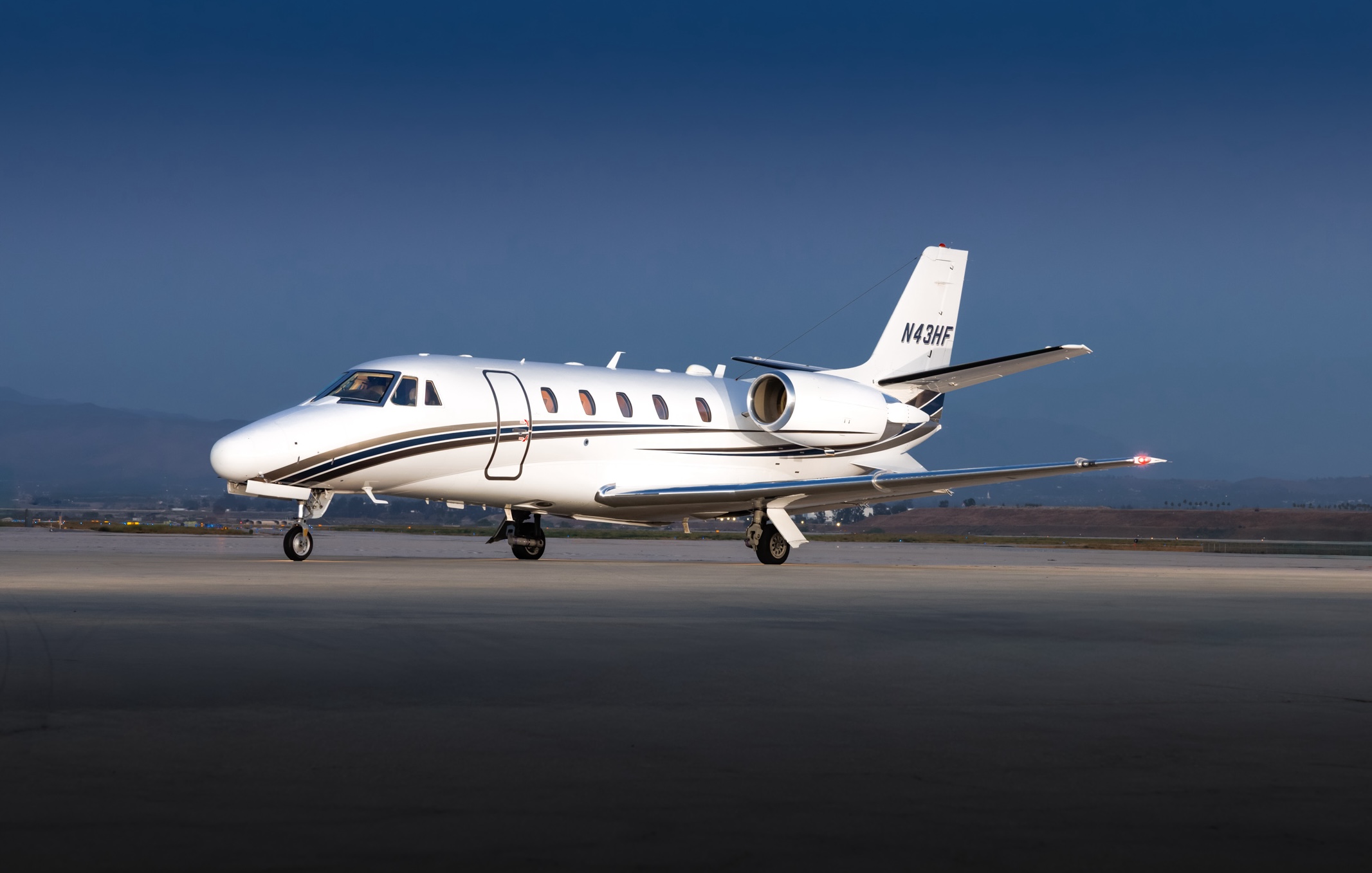
Overview of NetJets
NetJets, a subsidiary of Berkshire Hathaway, has been a pacesetter in the private aviation sector since its inception in 1964. The company operates a fleet of over seven-hundred aircraft, offering a spread of providers including fractional possession, jet cards, and on-demand charter flights. The pricing mannequin of NetJets is multifaceted, encompassing varied components comparable to acquisition costs, hourly charges, and extra charges. Understanding this pricing construction is essential for potential shoppers who are contemplating coming into the world of private aviation.
Pricing Structure
In 2022, the pricing for NetJets was characterized by its complexity, reflecting the bespoke nature of private aviation providers. The first components of the pricing model included:
- Acquisition Prices: That is the initial investment required to purchase a share in an aircraft. In 2022, the acquisition costs various significantly based on the kind of aircraft and the dimensions of the share. For example, a quarter share in a gentle jet may price upwards of $500,000, while an identical share in a bigger aircraft could exceed $1 million. The high entry price displays not only the worth of the aircraft but in addition the unique services that come with ownership.
- Hourly Rates: After the initial acquisition, purchasers are charged hourly charges primarily based on the aircraft they select to fly. In 2022, these rates ranged from $3,000 to $8,000 per hour, depending on the aircraft kind and model. If you have any issues concerning in which and how to use privatejetscharter private jet operator guide, you can contact us at the internet site. Gentle jets had been on the lower end of the spectrum, whereas larger jets, such as the Bombardier Global 7500, commanded higher charges as a result of their superior capabilities and luxurious amenities.
- Additional Charges: Beyond acquisition and hourly charges, purchasers have been additionally topic to numerous extra fees. These included fuel surcharges, landing fees, and different operational costs. In 2022, the rising price of gasoline as a result of global financial conditions led to increased fuel surcharges, which were a point of contention for many purchasers. NetJets, like different operators, had to navigate these challenges while sustaining buyer satisfaction.
Market Traits and Opponents
The private aviation market in 2022 was shaped by several key developments. The demand for private flights surged on account of the continuing pandemic, with many individuals and firms looking for safer journey choices. This increased demand put upward pressure on pricing, as operators adjusted their rates to mirror the market dynamics.
NetJets faced competitors from different fractional ownership corporations and jet card providers, resembling Flexjet, Wheels Up, and VistaJet. Every competitor had its personal pricing methods, typically influenced by their fleet composition and service offerings. As an illustration, while Flexjet offered aggressive pricing on fractional shares, Wheels Up focused on a subscription mannequin that appealed to a different section of the market. This competitive panorama compelled NetJets to remain agile in its pricing methods, ensuring that it could appeal to and retain shoppers.
Customer Perceptions
To gauge buyer perceptions of NetJets pricing in 2022, qualitative research was conducted through interviews and surveys with present and potential clients. The feedback revealed a combined bag of sentiments:
- Worth for Money: Many clients expressed satisfaction with the standard of service and the reliability of NetJets. They viewed the pricing as justified given the convenience and flexibility provided by the service. The flexibility to access a diverse fleet of aircraft at short notice was highlighted as a major advantage.
- Price Concerns: Conversely, some clients raised considerations about the overall value, particularly relating to the additional charges that weren't at all times clearly communicated on the outset. The rising fuel surcharges have been also a typical level of frustration, with shoppers feeling that these prices ought to be absorbed by the company moderately than handed on to customers.
- Transparency: A recurring theme within the feedback was the want for better transparency in pricing. Purchasers expressed a necessity for clearer breakdowns of prices related to fractional possession and hourly utilization. Many prompt that a more simple pricing mannequin would enhance their overall experience and foster higher trust in the brand.
Conclusion
The pricing structure of NetJets in 2022 was emblematic of the complexities inherent in the private aviation industry. The mix of high acquisition prices, variable hourly rates, and additional charges created a multifaceted pricing panorama that required careful navigation by shoppers. As demand for private aviation providers continued to develop, NetJets remained a key participant, adapting its pricing strategies to fulfill the needs of an evolving market.
Buyer perceptions highlighted each strengths and weaknesses within the pricing model, emphasizing the significance of transparency and communication in maintaining shopper satisfaction. As NetJets appears to be like to the future, addressing these issues while continuing to ship distinctive service might be essential in sustaining its competitive edge in the private aviation sector.
In summary, the pricing of NetJets in 2022 reflected broader trends in the private aviation market, influenced by financial situations, aggressive pressures, and customer expectations. Because the trade evolves, so too will the pricing methods of NetJets, guaranteeing that it stays a pacesetter in the field of private aviation.


